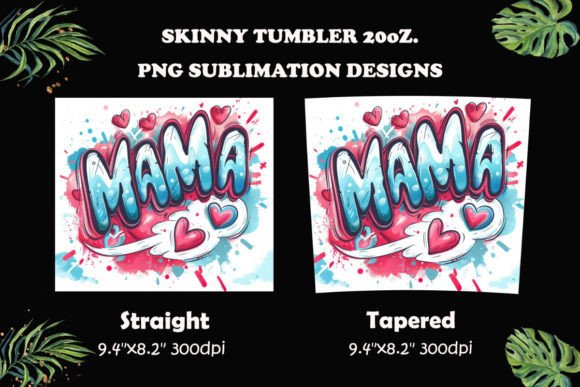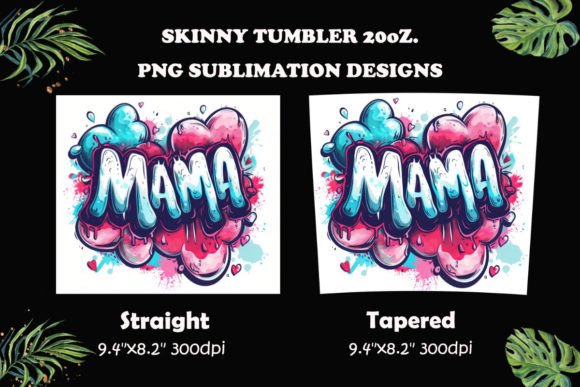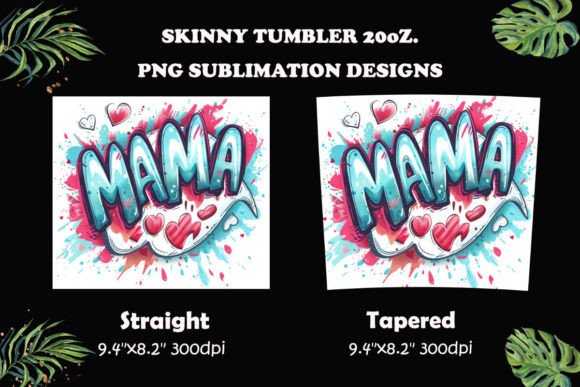
Mama Sublimation, 20oz Skinny Tumbler
First Impressions: A Warm, Retro Vibe—But Is It Embroidery-Ready?
When I opened the Mama Sublimation, 20oz Skinny Tumbler file, I didn’t see just another “Mama” graphic—I saw a mood. Soft retro curves, playful letterforms, and that gentle color-blocked energy suggest warmth, approachability, and intentional nostalgia. As a designer who’s stitched hundreds of “mom-themed” pieces for boutique clients and Etsy sellers, I immediately asked: Will this translate cleanly from screen to stitch? The answer isn’t yes or no—it’s it depends on how and where you use it.
A Real Project Moment: Stitching It on a Linen-Cotton Apron
Last week, I prepped a small-batch run of embroidered aprons for a local kitchen boutique. Their customers love handmade, thoughtful gifts—think new moms, grandmas, and foodie teachers. I pulled up Mama Sublimation, 20oz Skinny Tumbler as a candidate for the chest pocket area. At first glance, its compact vertical layout felt promising for a 4x4 hoop. But when I zoomed in on the PNG preview, I noticed subtle gradients and fine interior linework—hallmarks of sublimation art, not embroidery-ready vectors. That’s the first reality check: this is a graphics file, not an embroidery file. It’s meant for heat transfer or print, not direct machine stitching.
Where It Shines—and Where It Needs Translation
Mama Sublimation, 20oz Skinny Tumbler works beautifully as design inspiration or as a base layer for custom embroidery projects—but only after thoughtful adaptation. For example:
- Tote bag design: Its clean silhouette scales well for a center-chest monogram-style placement on canvas or denim.
- Sweatshirt embroidery: Simplify the script into bold satin-stitch outlines, drop the background color blocks, and reinforce the “Mama” lettering with tight fill stitch.
- Embroidered patch: Redraw the core shape with clear stitch paths—avoid tiny interior details that’ll vanish under thread density.
- Baby embroidery: Swap out any stylized elements that read too “retro-cool” for something softer and more universally tender—think rounded edges, open spacing, breathable stitch counts.
It’s not plug-and-play for machine embroidery design. But as a graphics asset in your Crafts toolkit? Extremely versatile—if you know how to bridge the gap between print and stitch.
Watch These Embroidery-Specific Pitfalls
This design demands intentionality—not just enthusiasm. Here’s what I watch for:
- Fabric texture matters: On terry cloth tea towels or looped fleece baby blankets, those delicate curves can blur. Use tear-away stabilizer + medium-weight cutaway for clarity.
- Dark fabric contrast: The original palette relies on light backgrounds. Test thread colors in grayscale mockups first—especially if stitching on navy or charcoal.
- Curved surfaces: While it’s named for a skinny tumbler, don’t assume it wraps seamlessly onto caps or curved mugs without distortion. Always test a printable mockup at actual size.
- Small hoop sizes: That “20oz” in the title refers to tumbler capacity—not hoop compatibility. Don’t force it into a 3x3 unless you’re willing to simplify aggressively.
- Wash durability: Dense fill areas (like solid letter bases) hold up better than thin running-stitch outlines over time. If selling finished product, prioritize stitch density over decorative flair.
What It Adds to Your Craft Business—Beyond the Stitch
Used thoughtfully, Mama Sublimation, 20oz Skinny Tumbler elevates perception. Customers browsing your Etsy shop or craft fair table don’t just see “Mama”—they feel cared for. That retro charm builds instant emotional resonance, especially for personalized gifts and nursery decor. But authenticity hinges on execution: a poorly digitized version undermines handmade presentation and brand consistency. When stitched cleanly on a linen pillow cover or organic cotton onesie, it reads as intentional, professional, and gift-worthy—not generic.
Practical Designer Notes Before You Stitch
Before committing thread or time:
- Test on scrap fabric first—especially if using textured or stretchy materials like jersey or ribbed knit.
- Review stitch density in your embroidery software; reduce fills where detail gets muddy.
- Confirm hoop size matches your intended placement—don’t guess based on the “skinny tumbler” name.
- Inspect small details like inner curves or serif ends—they often vanish mid-stitch without reinforcement.
- Check licensing before selling finished items or digital embroidery files derived from this design.
- Compare light and dark fabric backgrounds in black-and-white mockups to assess legibility.
- Use proper stabilizer—this design’s balance of open space and dense areas needs support that won’t shift or pucker.
Final Thought: A Strong Starting Point—Not the Final Stitch
Mama Sublimation, 20oz Skinny Tumbler isn’t a shortcut. It’s raw material—a confident, colorful foundation for your next embroidery project. Whether you’re designing for a small shop product, holiday embroidery bundles, or custom apparel for loyal clients, treat it as inspiration—not instruction. Adapt it with purpose, test with care, and let your craftsmanship do the talking. In the world of handmade product and digital design assets, that kind of thoughtful translation is what separates memorable work from forgettable filler.