Crocus Tumbler Wrap Design Sublimation
A Designer’s First Glance: Delicate, Springlike, and Purpose-Built
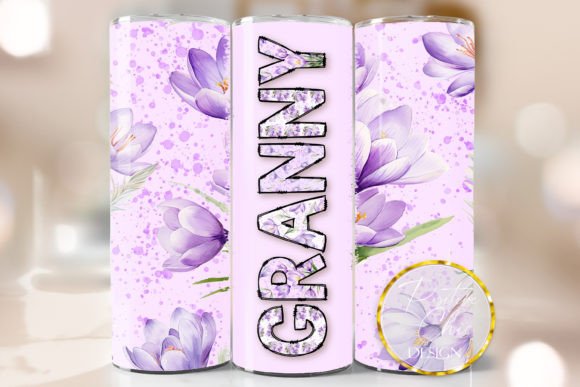
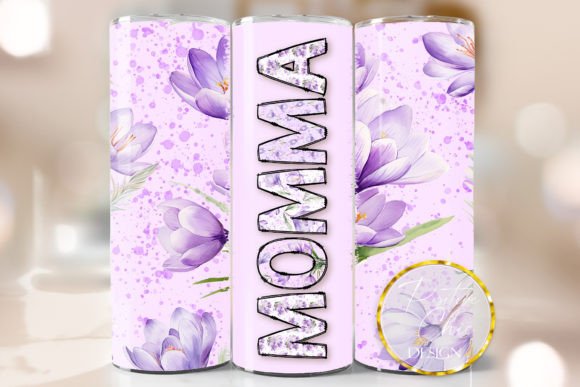
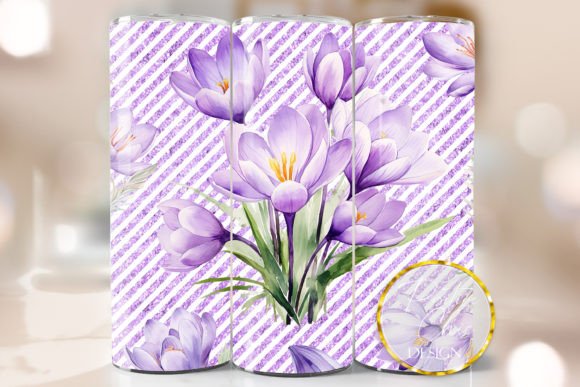
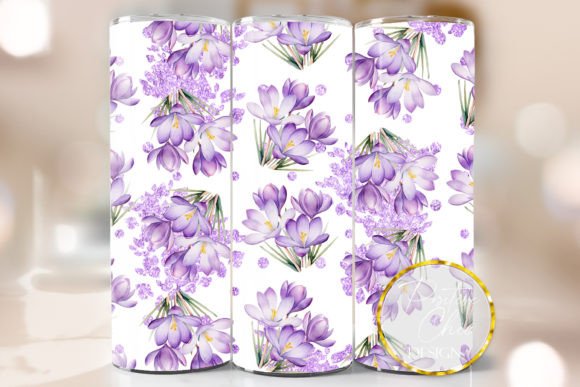
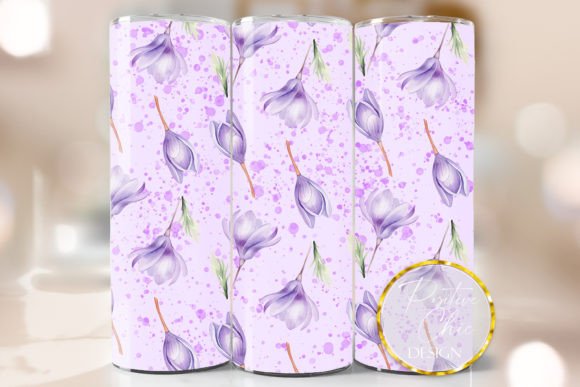
When I opened Crocus Tumbler Wrap Design Sublimation, I didn’t see just another floral graphic—I saw a quiet moment of intention. The crocus motif is soft but confident: three slender blooms arranged with gentle asymmetry, stems curving like breath, petals rendered in subtle gradation. It doesn’t shout. It invites. As a designer who’s stitched hundreds of custom pieces—from baby onesies to boutique aprons—I immediately sensed its temperament: calm, botanical, quietly elegant. This isn’t a bold monogram or a cartoon motif. It’s the kind of design that belongs on a linen tea towel folded beside a ceramic mug, or embroidered just above the pocket of an organic cotton tote. Its natural home isn’t loud apparel—it’s thoughtful handmade product.
How It Translates to Real Embroidery Projects
Last week, I prepped a batch of linen pillow covers for a local gift shop launch—and pulled up Crocus Tumbler Wrap Design Sublimation as a test candidate. Not for sublimation (though it’s designed for that), but to assess how its visual rhythm would hold up under thread. I resized it to fit a 4” hoop and digitized a simple satin-stitch outline with light fill-stitch centers. On smooth, medium-weight linen? Crisp. Graceful. The curves stayed fluid; no jagged edges, no collapsed petals. That tells me the original vector or high-res PNG has clean paths—critical for any embroidery file conversion.
It works especially well for personalized gifts where subtlety reads as care: a baby embroidery piece on a muslin swaddle, a sweatshirt cuff detail for a spring birthday, or a small embroidered patch sewn onto a denim jacket lapel. I’ve also used it as a standalone motif on kitchen towels—centered, modest in scale—and customers consistently comment on how “calm” and “handmade-feeling” it looks, even though it’s digitally sourced. That’s not accidental. Good design assets earn trust because they don’t look mass-produced.
Where It Shines—and Where to Pause
Crocus Tumbler Wrap Design Sublimation thrives on stable, even surfaces: tote bag fronts, flat-panel aprons, pillow covers, and structured caps (when placed on the front panel, not the curved bill). It holds up beautifully on medium-weave cotton, linen blends, and stable knits—especially when paired with quality cutaway or tear-away stabilizer. For commercial embroidery, I’d recommend using it at 3.5–4.5” wide to preserve petal definition without overloading stitch density.
But here’s where judgment matters: avoid it on highly textured fabrics like bouclé or thick terry cloth—the delicate stem lines will blur. Skip it on ultra-thin silk or rayon unless you’re using lightweight water-soluble topping and ultra-fine thread. And while it’s lovely on dark fabric in mockups, remember that real-world embroidery relies on contrast: test your chosen thread colors against both light and dark fabric backgrounds before committing. A pale lavender satin stitch on navy linen? Gorgeous. The same on charcoal fleece? Might vanish unless you add a subtle underlay or switch to a slightly brighter thread.
What This Means for Your Craft Business
If you’re an Etsy seller, small shop product creator, or digital embroidery file reseller, this design adds quiet sophistication to your catalog. It’s not viral bait—but it converts. Customers searching for “spring embroidery,” “botanical tote bag design,” or “minimalist baby gift” are actively seeking exactly this tone. Its strength lies in versatility across categories: holiday embroidery (think Easter baskets or Mother’s Day bundles), personalized gifts (initial + crocus combo), and even printable mockups for your digital product listings.
I’ve seen too many crafters overcomplicate botanical motifs—adding unnecessary leaves, dense fills, or fussy outlines. Crocus Tumbler Wrap Design Sublimation avoids that trap. Its simplicity means fewer stitches, less thread breakage, faster hooping, and cleaner results across machines. That directly supports professionalism, consistency, and repeat orders. When your handmade product looks intentional—not “designed by committee”—buyers feel the difference.
Practical Designer Notes Before You Stitch
- Always test first: Run a sample on scrap fabric matching your final project’s weight and stretch.
- Check thread color contrast: View your design in black-and-white mockups to confirm legibility on darks and lights.
- Review stitch density: If converting from PNG to embroidery file, watch for overly tight fills in petal centers—adjust density to prevent puckering on lightweight fabrics.
- Confirm hoop size compatibility: While the original is sized for a 20 oz skinny tumbler wrap, resizing for embroidery requires attention to minimum detail thresholds—petals under 3mm may lose clarity.
- Inspect corners and curves: Zoom in on the stem termini and petal tips—clean vector edges mean smoother satin stitching.
- Use proper stabilizer: Medium-weight cutaway for knits; tear-away for stable wovens. Skip fusible web unless you’re doing appliqué design work.
- Verify licensing: Since this is listed as a Graphics product in the Crafts category, confirm whether commercial use—including finished product resale—is permitted before listing on Etsy or at craft fairs.
The Final Stitch
Crocus Tumbler Wrap Design Sublimation won’t dominate a storefront window—but it might be the quiet detail that makes a customer pause, touch the fabric, and say, “This feels special.” That’s the power of restraint, clarity, and botanical sincerity. It’s not flashy. It’s focused. And in a market flooded with busy, trend-chasing designs, that focus is rare—and valuable. Whether you’re stitching for joy, gifting with meaning, or building a craft business rooted in authenticity, this design earns its place in your library—not as filler, but as foundation.