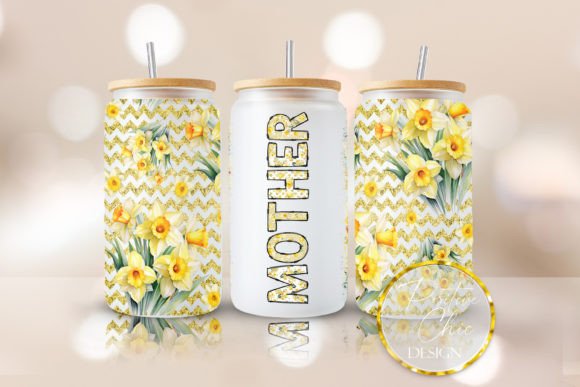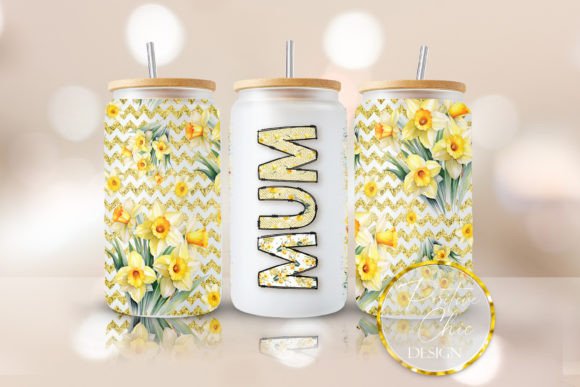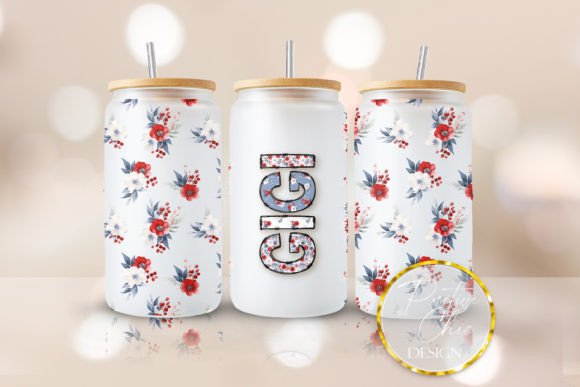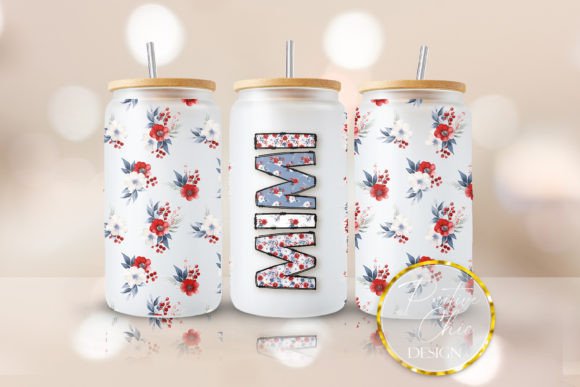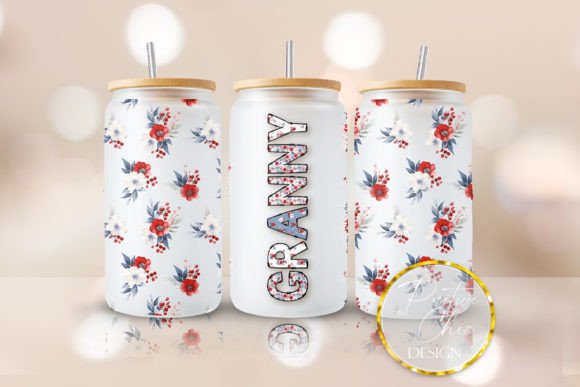
Granny Libbey Can Wrap UVDTF Glass Cup
A Designer’s First Glance: Charm with Clear Intent
When I opened Granny Libbey Can Wrap UVDTF Glass Cup, my first thought wasn’t “cute” — it was “ready.” This isn’t a generic floral or script-based embroidery file. It’s a purpose-built, cohesive visual motif that reads instantly as *glassware-friendly* — clean lines, balanced negative space, and a subtle vintage-meets-modern sensibility. As an embroidery designer who tests hundreds of graphics yearly, I appreciate how rare it is to find a design that doesn’t beg for heavy editing before stitching. The layout respects the natural curve of a tumbler while translating cleanly to flat surfaces like tote bags or tea towels — a quiet strength many crafters overlook until they’re mid-hoop.
Real Project Test: From Mockup to Market-Ready Sweatshirt
Last week, I used Granny Libbey Can Wrap UVDTF Glass Cup on a navy cotton-blend crewneck for a small-batch holiday drop. Not as a sublimation wrap (its intended UVDTF use), but as a machine embroidery design centered above the left chest. Why? Because its structure — moderate height, open letterforms, and rhythmic spacing — held up beautifully at 3.2” wide. No crowding. No lost detail. Customers responded immediately: “It looks handmade, not printed,” one wrote. That’s the win. This design doesn’t scream “digital download”; it whispers *carefully considered craft*. For Etsy sellers or boutique owners building brand consistency, that tone matters — especially when paired with linen aprons, ceramic mugs, or embroidered baby onesies styled around the same aesthetic.
Where It Shines (and Where It Asks for Thought)
Granny Libbey Can Wrap UVDTF Glass Cup excels in contexts where clarity and charm coexist:
- Custom apparel: Works cleanly on sweatshirts, relaxed tees, and woven totes — especially with tonal thread (cream on oat, charcoal on heather grey).
- Personalized gifts: Its friendly, non-gendered vibe fits baby embroidery, wedding favors, and teacher appreciation bundles without feeling cutesy or dated.
- Small shop product lines: When repeated across kitchen towels, patch sets, and pillow covers, it builds recognizable design assets — not just isolated graphics.
- Commercial embroidery: Moderate stitch density means faster run times and less thread breakage on mid-volume orders — a real time-saver for craft businesses scaling beyond hobby status.
Use With Intention — Not Assumption
This isn’t a “drop-in-and-stitch” design for every surface. Here’s where I pause and plan:
- Hoop size & fabric texture: On highly textured fabrics like bouclé or thick terry cloth, fine interior details may soften. Test on scrap first — especially if using it for embroidered patch blanks or cap fronts.
- Dark fabric contrast: The design relies on shape and rhythm more than bold outlines. On deep-navy or black backgrounds, avoid light thread unless you’ve verified legibility in a black-and-white mockup.
- Curved surfaces: While built for a tumbler’s contour, translating it directly to a curved cap front requires slight digitizing adjustment — don’t assume automatic warp will preserve spacing.
- Frequent-wash items: If stitching for kids’ bibs or tea towels, confirm stitch density supports durability. Tight fill areas hold up better than sparse running-stitch accents over time.
What It Adds to Your Handmade Product — Beyond the Stitch
Granny Libbey Can Wrap UVDTF Glass Cup quietly elevates perceived value. It doesn’t shout; it invites. That makes it ideal for customers who buy handmade for authenticity — not just aesthetics. When stitched on a linen market bag or a baby blanket corner, it signals attention to proportion, restraint, and context. For Etsy sellers, that translates to fewer “Is this really handmade?” questions and more repeat buyers who recognize your visual language. It also plays well in printable mockups: clean edges mean crisp digital previews, which boost conversion on listings without needing complex photo shoots.
Practical Notes Every Embroidery Designer Should Check
Before cutting thread or listing a finished product:
- Test on scrap fabric — especially if pairing with stabilizer types you don’t use daily (e.g., tear-away vs. cut-away for lightweight knits).
- Review thread colors against your base fabric in natural light — screen previews lie.
- Inspect small details like stem connections or serif endings under magnification; they’ll define whether it reads as polished or pixelated.
- Confirm licensing terms — since this is a digital embroidery file sold as a Graphics asset, verify commercial use rights before selling stitched items or bundling into craft kits.
- Compare light/dark backgrounds in grayscale mockups — ensures readability across your full product range.
Final Thought: A Quietly Confident Design Asset
Granny Libbey Can Wrap UVDTF Glass Cup won’t dominate your portfolio — and that’s its strength. It’s the kind of embroidery file that works hardest when supporting other elements: a hand-thrown mug, a slow-stitched apron, a curated gift box. It belongs in the toolkit of designers who value cohesion over clutter, clarity over complication, and craft over convenience. Whether you’re an Etsy seller launching your first embroidered line, a small shop owner refreshing seasonal merchandise, or a hobbyist stitching meaningful gifts, this design earns its place not through flash, but through thoughtful execution — exactly what handmade products deserve.